
Interior design is evolving as we enter 2026, with new styles that focus on personality, warmth, and timeless comfort. Homeowners today want spaces that reflect who they are, feel comfortable to live in every day, and blend classic design with modern ideas.
This guide highlights the key interior design trends for 2026 and explains how you can bring them into your own home.
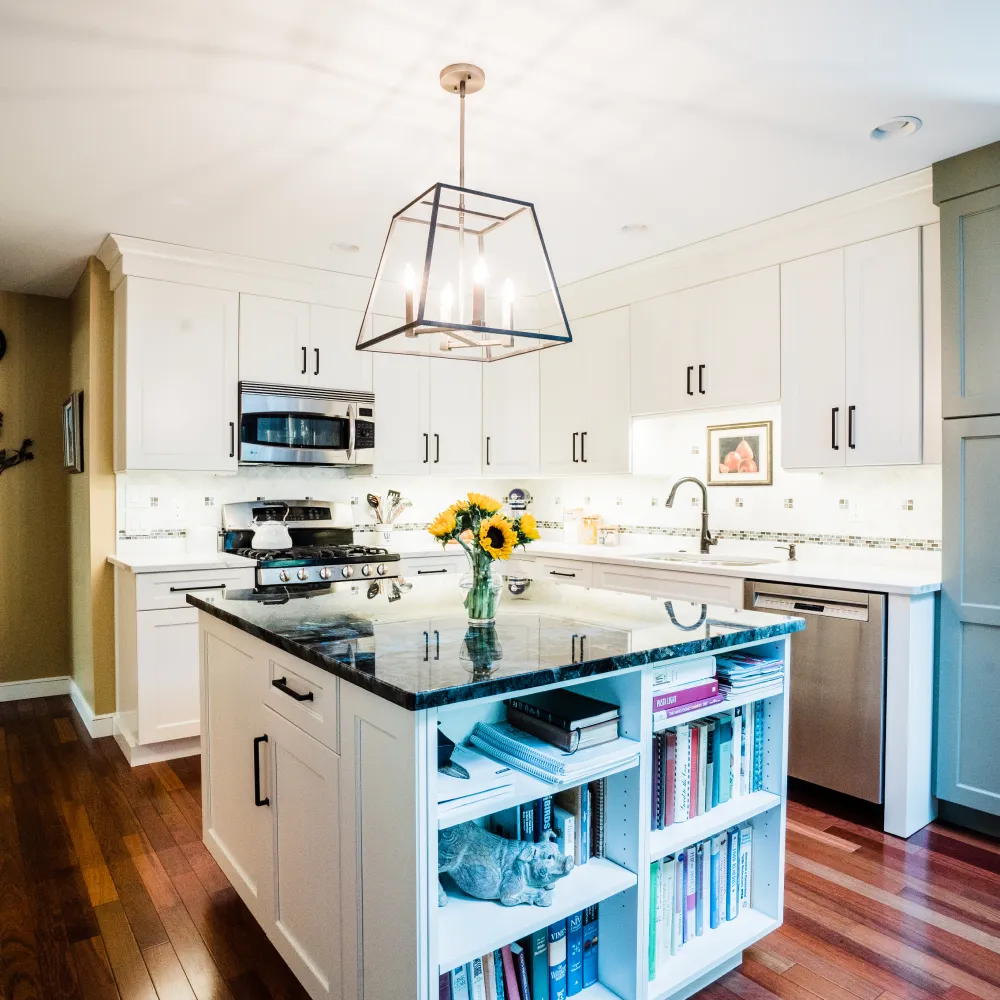
Why Design Trends Matter in 2026
Interior design trends help homeowners update their spaces in ways that feel fresh, intentional, and lasting.
In 2026, trends are moving away from stark minimalism toward interiors that feel:
- Personal
- Warm
- Collected over time
- Rich in color and texture
Designers are encouraging people to make spaces that look lived-in and meaningful rather than perfectly staged.
Warm, Earthy Color Palettes
One of the biggest shifts in 2026 is toward warmer, earthy tones.
Designers are using colors like:
- Muted browns
- Olive and rust hues
- Deep blues and greens
- Softer neutrals like plaster and chalky mushroom
These palettes feel grounded and comforting and work well in living rooms, bedrooms, and kitchens alike.
Pairing these colors with natural materials like wood, stone, and textiles gives rooms a relaxed, inviting feel.
More Personality and Curated Style
2026 interiors are less about following rigid rules and more about expressing your own story.
Trends include:
- Collecting meaningful pieces over time
- Mixing vintage with modern furniture
- Using patterns and textures that reflect your taste
Designers say homes should look like they belong to the people who live in them, not like a showroom.
Statement Materials and Textures
Natural materials are stronger than ever in 2026.
Expect to see:
- Textured plaster walls
- Raw timber and stone
- Linen and clay finishes
- Hand-thrown ceramics
These materials add depth and character and create a sense of calm and permanence in any room.
Bold Color and Rich Tones
While earlier years favored bright whites and cool grays, 2026 is embracing more color.
Designers are predicting:
- Saturated jewel tones in living spaces
- Rich contrasts between warm and bold hues
- Paint and textiles that make a visual statement
This trend invites homeowners to be bolder and more expressive with design choices.
Refining Neutral, But With Depth
Not all neutrals are fading away. In fact, designers are redefining what “neutral” means.
Instead of stark white, trending neutrals include:
- Dusty pink
- Milled oat
- Earthy green
- Buttery yellow
These tones feel soft and inviting while still providing a flexible base for furnishings and décor.
Textiles and Layered Interiors
Layering textures and materials is a major trend for 2026. This means mixing fabrics like linen, wool, and velvet, and using them thoughtfully to add interest without clutter.
Examples include:
- Layered rugs
- Tapestries or wall textiles
- Mixed textiles on sofas and chairs
This approach adds warmth and a sense of comfort that makes rooms feel complete.
Pattern Rebirth: Checkerboards and Prints
Design trends are bringing back classic patterns in modern ways.
The checkerboard pattern is making a comeback with softer tones and updated finishes, adding character without overwhelming a space.
Similarly, mixing vintage prints with modern furnishings brings personality to interiors.
Accent Walls and Wallpaper Returns
Wallpaper is gaining popularity again in 2026.
Instead of covering every wall, designers use:
- Feature walls in living areas
- Bold patterns in dining spaces
- Textured wallpapers in bedrooms
Wallpaper can create a focal point and express style without overpowering the rest of the room.
Functional, Comfortable Layouts
Designer priorities for 2026 include comfort and usability.
Rooms are being arranged for real life:
- Flexible seating areas
- Deep, comfortable sofas
- Spaces that support conversation and relaxation
Homes are becoming places that feel easy to live in, not just stylish to look at.
Personalization Over Perfect Match
Gone are the days of matchy-matchy rooms.
In 2026, designers encourage:
- Combining furniture from different eras
- Displaying art and heirlooms
- Choosing pieces that mean something to the homeowner
This trend makes interiors feel more like your own story.
Are Minimalist Interiors Still Popular?
Minimalism has not disappeared, but it has evolved.
Instead of factory-style minimal spaces, designers prefer:
- Thoughtfully curated minimalism
- Functional layouts that avoid clutter
- Quality pieces with intentional placement
This approach gives a sense of calm without feeling empty.
How Interior Design Trends in 2026 Affect Your Home
Whether you are planning a small refresh or a full remodel, these trends offer ideas that fit many budgets and spaces.
Here are some design choices that make a difference:
- Choose warmer, richer colors for walls and textiles
- Mix old and new furniture for character
- Use textures to make spaces feel cozy
- Add a statement wall to create a focal point
- Personalize with meaningful art and decor
Following these trends can help you create a home that feels current but timeless.
How a Local Design Team Can Bring These Trends to Life
For homeowners interested in interior design in Bucks County, PA, working with a professional team can make trend selection and implementation easier. A design-build firm like Aslan Design & Build offers full-service interior design support tailored to local homes and lifestyles. They help you choose colors, materials, finishes, and layouts that match both design trends and your personal taste while honoring your home’s architecture.
A local designer can guide you through 2026’s interior design trends and help you create living spaces that feel welcoming, intentional, and timeless.
If you are exploring interior design in Bucks County, PA, a consultation with designers who understand current trends and how they work in real homes can help you make confident choices for your next project.